What Camera Should a Beginner Photographer Buy?
A guide to your first camera purchase
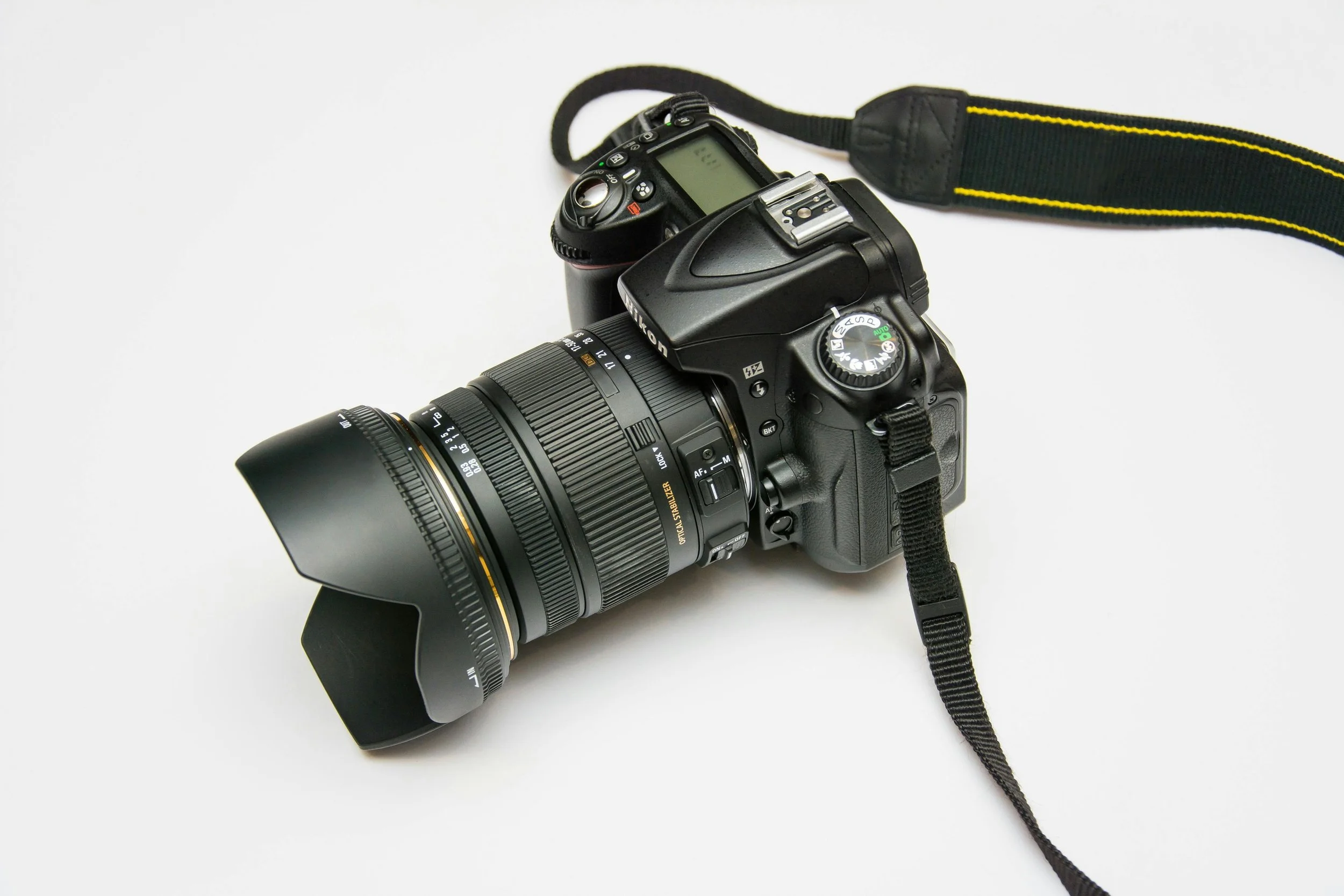
Free image from pexels.com
One of the most common questions I hear is: “What camera should I buy?”
It’s a fair question — but it’s not the first one I think beginner photographers should ask.
Instead of starting with a specific camera model, I encourage people to start with something far more important: a budget they’re genuinely comfortable with. To get started in photography you will need more than just the camera. Understanding what you need upfront can help avoid frustration, surprise expenses, and even buyer’s remorse.
Your budget should feel safe. If you are spending the last bit of money in your savings you’ll be scared to even use your camera, and cameras left unused are sad cameras.
Purchasing your first camera should be fun and exciting!
A Camera is Not the Only Thing You’ll Need
While there are many great starter kits that include most of what you need, there are also many different ways to purchase camera gear. To set yourself up for success from the start, it helps to understand the full list of items you’ll need for a functional photography setup.
At a minimum, plan on the following:
The camera body – This is the tool itself, and often where people focus first.
A lens (or lenses) – Depending on how you buy your camera, it may be body-only or bundled with a lens. Either option can work for beginners.
A memory card – This is where your photos are stored. Having at least one reliable card is essential.
At least one extra battery – Batteries can drain faster than you expect, especially when you’re learning. Having a spare lets you shoot longer or keep going while one battery is charging.
Storage and backup – Digital photos take up space, and backing them up protects your work from accidental loss.
A camera bag – Your camera should live in a padded camera bag, not loose in a regular backpack. Protection matters.
A basic camera and lens cleaning kit – Simple tools go a long way in keeping your gear in good shape.
None of these items need to be top of the line, but all of them matter. You can always add accessories later — such as a tripod — once you have a better sense of how and what you enjoy photographing.
Understanding Beginner Photography Budgets
Now that you’ve seen everything needed for a functional photography setup, it’s easier to talk realistically about budget. Rather than thinking only about the price of a camera body, the ranges below reflect the entire system — camera, lens, and the basic accessories that help you shoot comfortably and confidently.

Free image from pexels.com
Budget Tier 1: Comfortable Entry
Approx. $700 - $1,000 (total setup cost)
Who this is for:
You’re exploring photography and want to learn the fundementals
You don’t want to feel pressured to spend more than neccessary
You’re okay upgrading later if photography sticks
What this typically includes:
Entry-level camera body (new or used)
Kit lens or simple starter lens
One or two memory cards
Extra Battery
Basic camera bag
Simple storage/backup Solution
Cleaning Essentials
This budget range is all about getting started without financial stress. Many excellent photographs are taken with setups in this range. In fact, a more expensive camera does not make you a better photographer.
Budget Tier 2: Confident Commitment
Approx. $1,100 - $1,500 (Total Setup Cost)
Who this budget range is for:
You already know photography will be more than just a short-term hobby
You value having room to grow without immediate upgrades
You’re comfortable investing a bit more upfront for flexibility and longevity
What this typically includes:
More capable camera body
Better kit lens or an entry-level prime lens
Additional batteries and memory cards
More robust storage/backup
Higher-quality camera bag
This is where many enthusiasts land. This budget offers a balance between capability and cost, without feeling too excessive.
Budget Tier 3: Furture-Oriented Start
Approx. $1,500+ (Total Setup Cost)
Who this is for:
You prefer buying once and growing into your gear
You enjoy researching and planning purchase
You’re drawn to newer camera systems or higher-end pre-owned gear.
What this typically includes:
A more advanced camera body
Versatile lens with room to grow
Multiple batteries and memory cards
Thoughtful storage and backup
Comfortable and durable camera bag
This tier isn’t required to get started, but it can reduce the desire to upgrade quickly if you already know photography will be a long-term pursuit.
There’s no “correct” budget for beginner photography — only the one that fits your comfort level, goals, and curiosity.
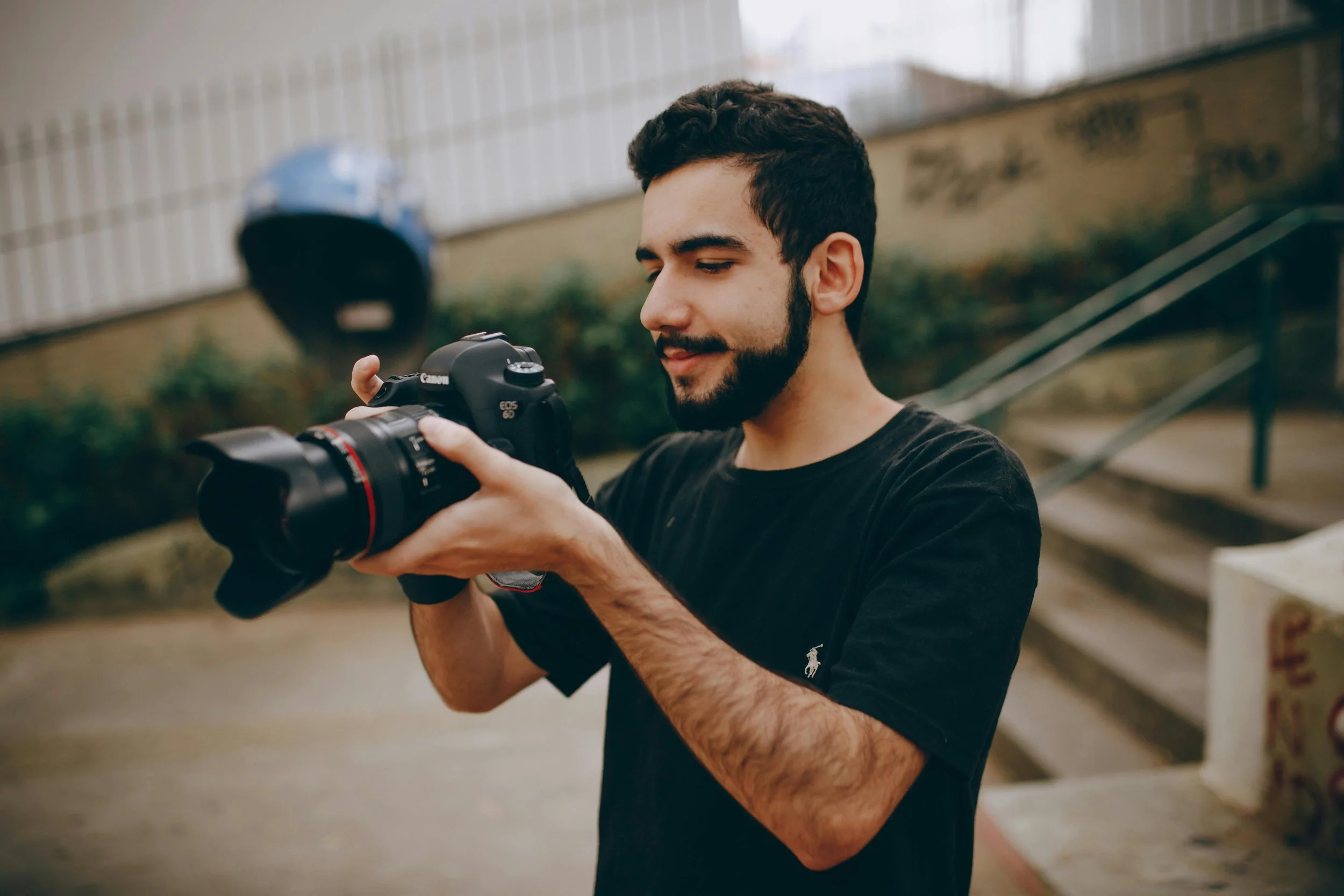
Free image from pexels.com
What next?
Hopefully by now you have a clearer sense of which buying category you fall into and what a complete beginner photography setup actually includes. Before purchasing a camera, there are a few additional decisions worth thinking through:
Buying brand new vs. used gear
DSLR vs. mirrorless cameras
Sensor sizes and what they mean in practice
Each of these topics can influence your experience as a beginner, and they deserve thoughtful consideration.
In upcoming blog posts, I’ll explore these questions — and others — in more detail to help you make confident, informed choices as you get started.