

After You Buy Your First Camera: Where to Start
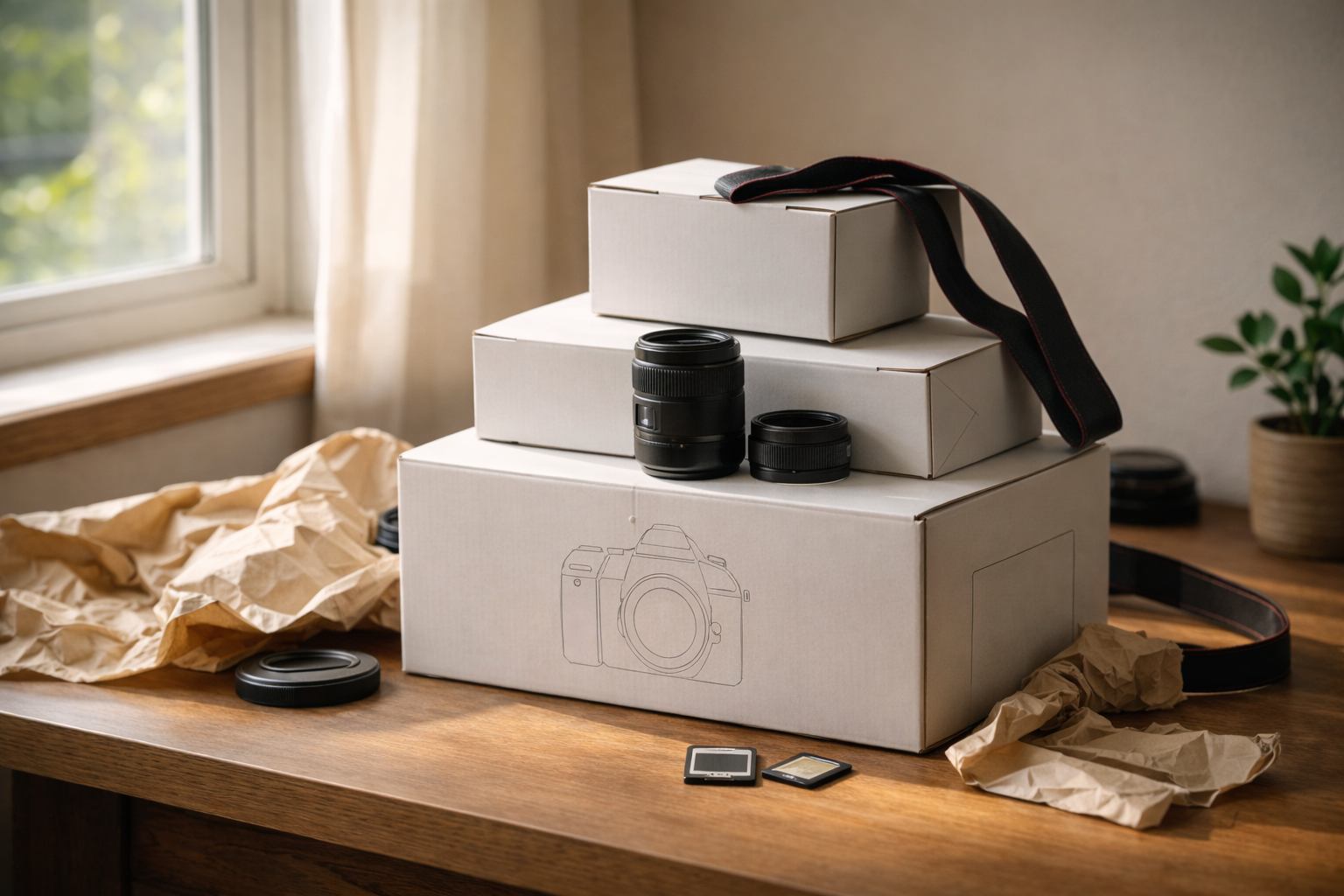
If you’re just getting into photography and you’ve recently bought your first camera, the moments that follow can feel surprisingly complicated.
There’s excitement, of course. You’re holding a real camera—your camera. But it’s also common for that excitement to be followed by a quiet wave of doubt. Did I choose the right one? Did I miss something? What am I supposed to do next?
If any of that sounds familiar, take a breath. That feeling is completely normal. What you’re experiencing isn’t a problem—it’s simply the start of something new.
And here’s the most important thing to know right away: you don’t need to learn photography yet.
A Quiet Moment After the Purchase
After you buy your first camera, you might be walking out of a camera store with a bag full of new gear, or opening a box that just arrived on your doorstep. Either way, there’s often a pause right after—the moment where the reality of the purchase sinks in.
Excitement usually arrives first. You’re holding your first camera, imagining what you might create with it.
Then doubt sometimes follows. Did I buy the right one? Should I have chosen something else?
This back-and-forth is incredibly common. It doesn’t mean you made a mistake. It simply means you care.
Try to remind yourself of this: this moment isn’t a test. There’s no correct feeling to have and no expectation to meet. This is just the beginning of your photography journey, and beginnings are allowed to feel uncertain.
You Don’t Need to Learn Photography Yet
Right now, you don’t need to learn photography. What you do need is time to get familiar with your new camera.
The fundamentals of photography, when you learn them later, aren’t tied to a specific camera. They carry with you from one camera to the next. This is just the camera you’re starting with—not a verdict on your future as a photographer
It’s easy to think those two things—learning photography and learning your camera—are the same. They’re related, but they’re not identical. Trying to do both at once can make photography feel much harder than it needs to be.
Confidence doesn’t come from knowing everything. It comes from familiarity—knowing how something feels in your hands, where buttons are, and how to turn it on without thinking.
For now, it’s enough to simply spend time with your camera. Photography will still be there when you’re ready for it.
Right Now, Comfort Comes First
At this stage, your goal is simple: get comfortable with your camera.
No settings. No modes. No rules.
That might look like:
Holding the camera and finding a grip that feels natural
Attaching the neck or wrist strap so it feels secure
Charging the batteries and learning how they install
Inserting the memory card and knowing where it lives
Turning the camera on and off a few times
Slowly exploring the menu—just noticing what’s there
Switching between modes without worrying about what they mean
You don’t need to remember any of this perfectly. Seeing it once, in a low-pressure moment, makes it easier to recognize later when it actually matters.
If something doesn’t work the first time — a dead battery, a full card — that’s part of learning the rhythm.
The goal right now is simply to exist with your camera. Getting comfortable comes before getting good.
If you have a little time at home, it can be helpful to come back to this kind of practice often—just a few minutes at a time. Picking the camera up, turning it on, taking a few photos around the house, and setting it back down all help build familiarity. Over time, those motions start to feel second nature.
Once the camera begins to feel familiar, you can move on to taking photos more intentionally…
A Few Gentle First Experiences
Once the camera starts to feel familiar, you can begin taking photos—but this still isn’t about creating anything impressive.
Start with things you already know. Your desk. Objects around your home. A pet, if you have one. A short walk around your neighborhood. The subject doesn’t matter.
What matters is getting used to the physical experience:
lifting the camera
looking through the viewfinder
pressing the shutter
hearing the sound it makes
You can let the camera do the heavy lifting. There’s no need to think about composition yet.
If you’d like, try photographing the same scene at different times of day—early morning, midday, after a rain, near sunset. Just notice how the light changes and how the scene feels different each time. There’s no pressure to understand why yet. Simply noticing is enough.
When you review your photos, look at them without judging. Learn how to scroll through them, zoom in, and move between images. There’s no need to delete anything right away. If your memory card fills up, that’s a sign you’re using your camera—and that’s a good thing.
If your photos don’t look like what you expected at first, that’s normal — the camera is still learning you, and you’re still learning it.
Some Things That Aren’t Important Yet
In the early days, it can help to intentionally set a few things aside.
You don’t need to rush to YouTube to watch camera setup videos. Cameras can be configured in many different ways depending on how they’re used, and right now you’re still discovering how you want to use yours.
You also don’t need more gear. The lens that came with your camera is more than enough to get started. If you do add anything, consider comfort and safety first—like a strap that feels right and makes you want to carry your camera more often.
And if you can, be gentle with yourself around social media. Comparing your early photos to other people’s work rarely helps. You don’t know where they are in their journey, and comparing their chapter twelve to your chapter one only adds pressure that doesn’t belong here.
For now, let go of the idea of doing things “right.” Learning photography means getting things wrong—and learning from that is part of the process. It’s the same philosophy I bring into my beginner workshops: growth comes from experience, not perfection.
Let Curiosity Lead
Most people learn best when curiosity comes first.
Reading a manual or watching tutorials without any context can feel overwhelming. But after you’ve spent some time using your camera, questions start to appear naturally. What does this button do? Why does this photo look different?
That’s the moment when learning sticks.
When questions about editing or file formats start to appear, guides like RAW Readiness are designed to meet you at that moment — not before.
When something feels confusing, that’s your cue to look it up, read the manual, or ask a question. Your brain is already engaged because it wants an answer. Learning becomes easier when it has somewhere to land.
If You Want More Guidance
Some people enjoy figuring things out on their own. Others prefer a bit of guidance earlier. There’s no right timeline.
If you’re interested in learning with others, local art centers and community spaces often offer photography classes. You might also know someone who’s happy to show you the basics.
If it’s helpful, I’m always open to a conversation about where you are and what you’re curious about. I also offer occasional workshops for beginners as well as 1:1 photography instruction. If you’re local, you’re welcome to explore those; if you’re not, you’re still welcome to reach out.
Asking for help isn’t a failure. It’s a sign that you’re paying attention.
Photography Is a Long Conversation
You’re just getting started.
Photography isn’t something you finish learning—it’s a conversation you stay in over time. Try not to rush this part. Let yourself be new. Enjoy the small moments of familiarity as they arrive.
You’re not behind.
You haven’t missed anything.
You’ve already begun.